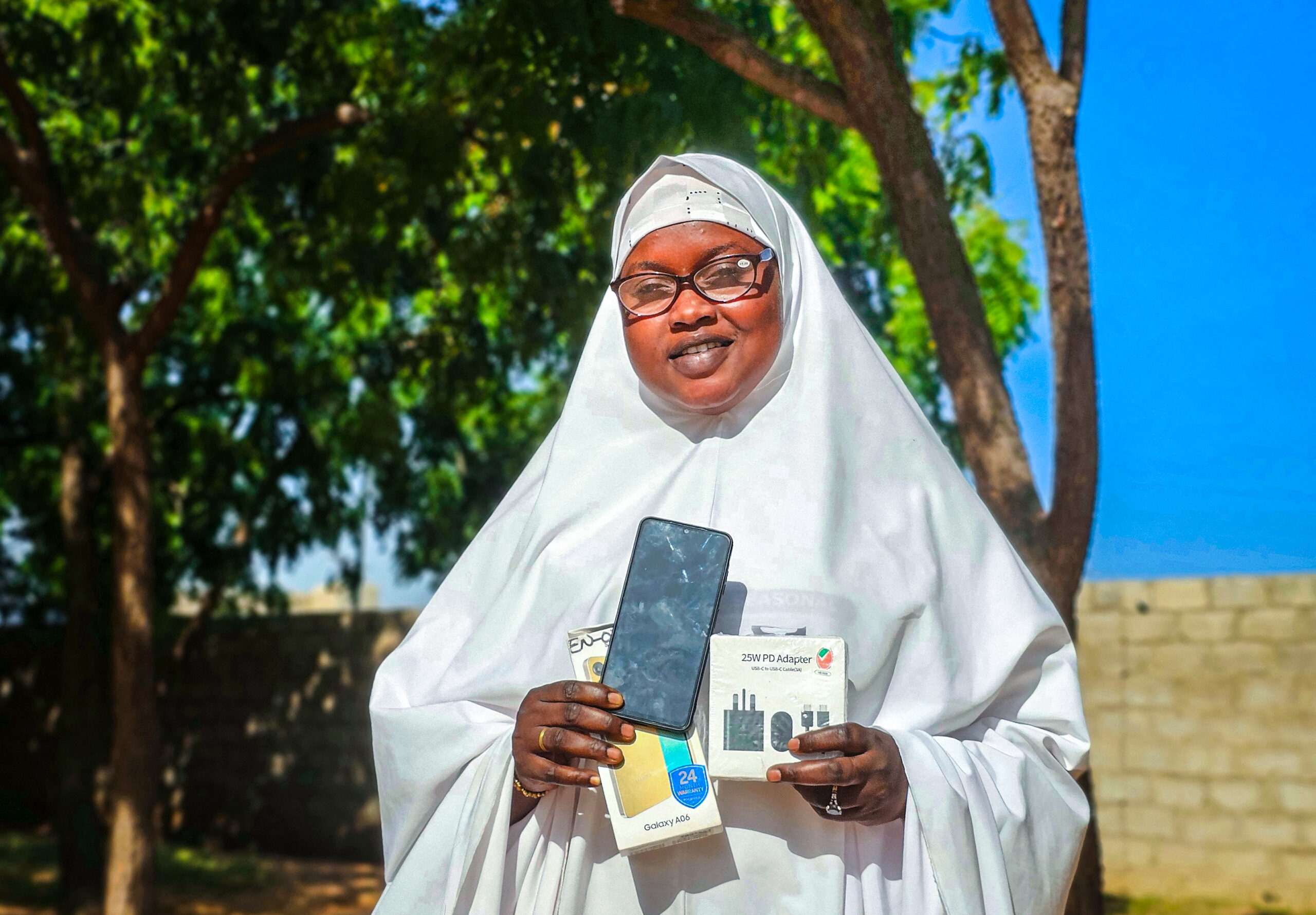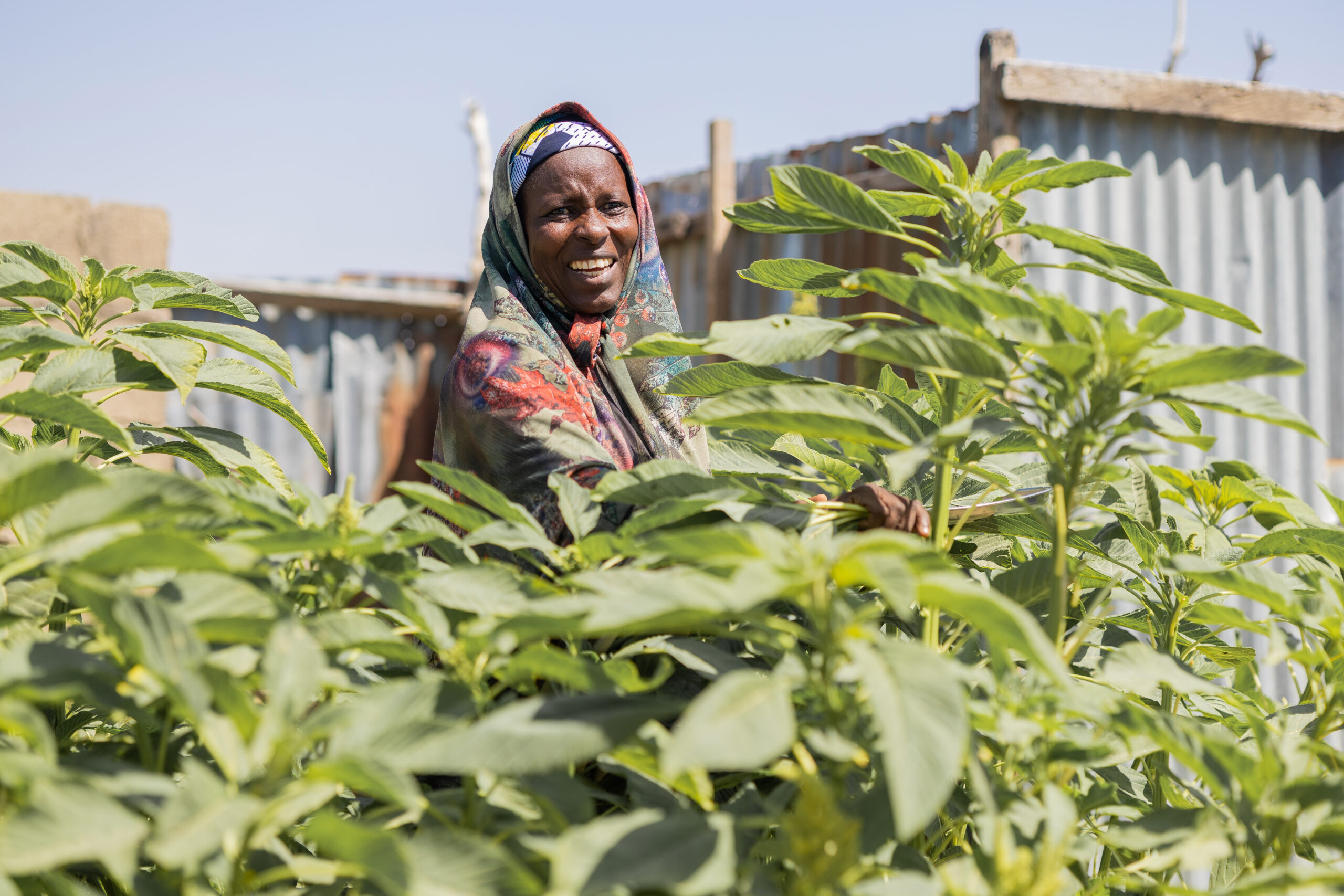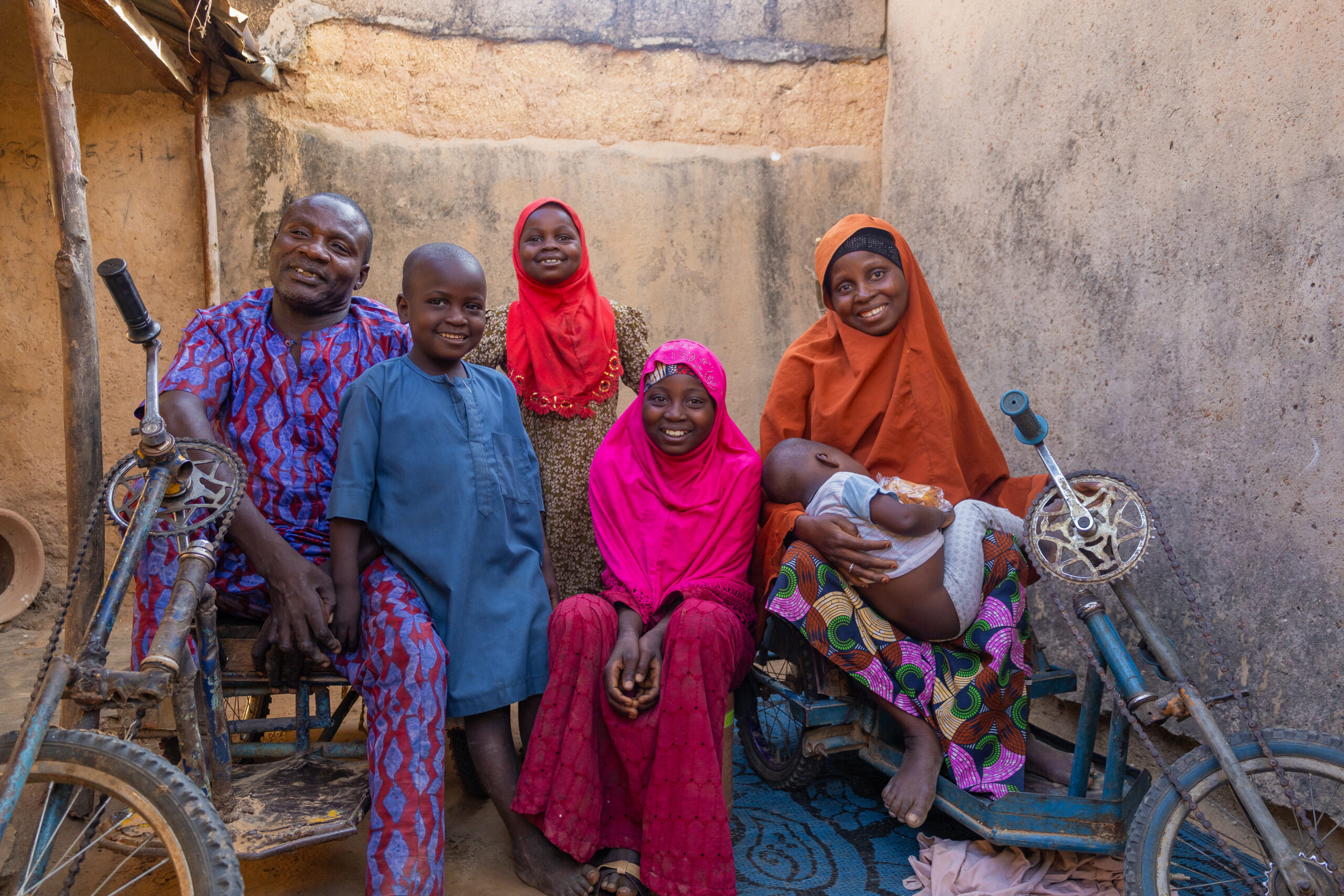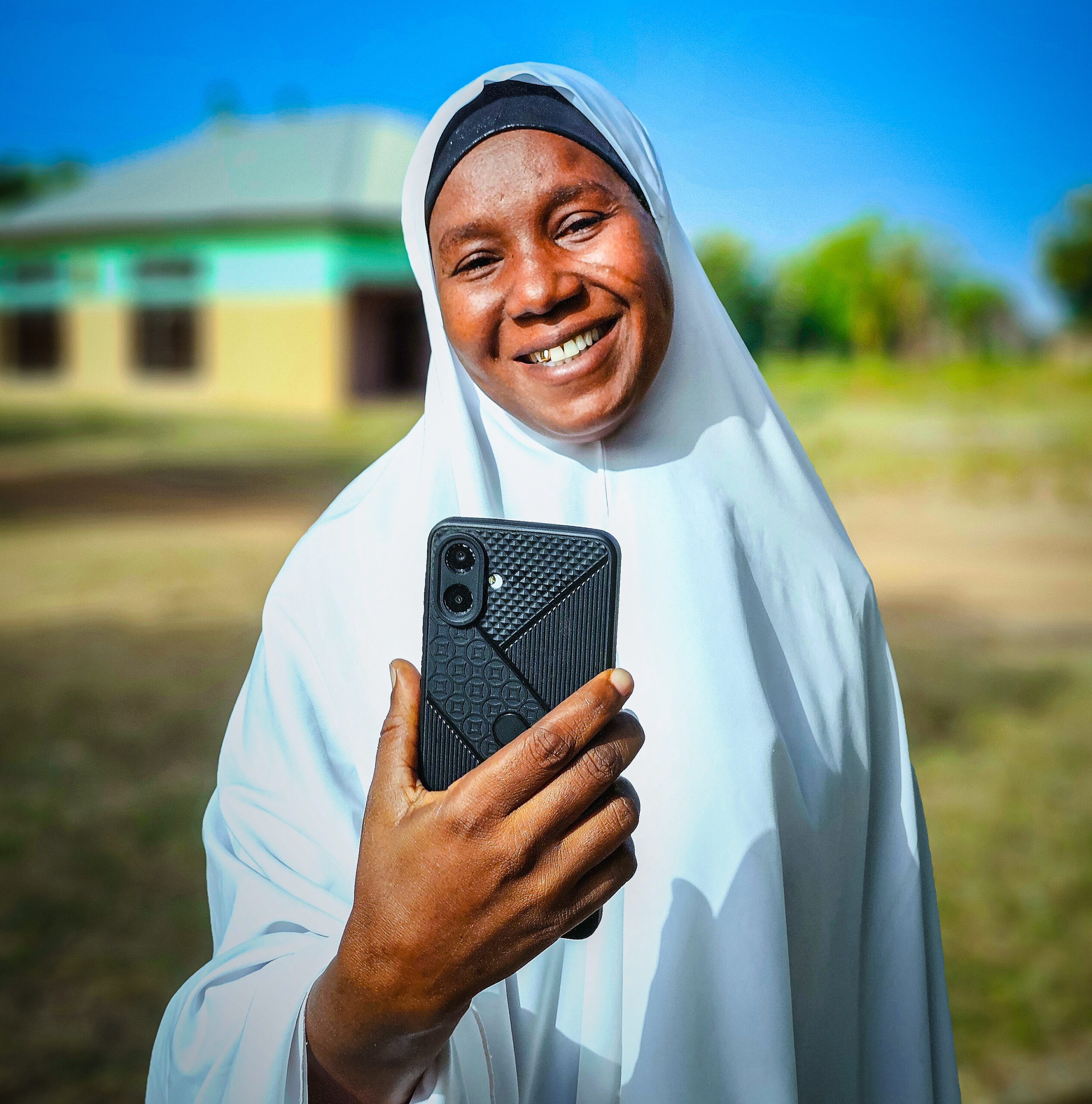
Hafsat Lawal, a 48-year-old Community Health Extension Worker from Katsina State, has renewed her skills and confidence through CARE’s EnRiCH Project. After completing the three-day Essential Care Package training, she is now confident of using the EnRiCH Digital Learning Platform (DLP) to continually improve her service delivery.
Across Nigeria, millions of women and girls—especially those living in rural communities—still struggle to access basic healthcare services due to distance, limited facilities, and shortages of trained health workers. In many of these communities, frontline health workers serve as the most accessible source of care, often bridging the gap between vulnerable populations and lifesaving health services.
For Hafsat Lawal, a 48-year-old Community Health Extension Worker (CHEW) from the Koddo community in Katsina Local Government Area of Katsina State, witnessing these struggles firsthand is what inspired her to dedicate her life to community healthcare.
For nearly 15 years, Hafsat has been the first point of contact for hundreds of women and adolescent girls in her rural community, providing basic care, comfort, and advice where health services are often difficult to reach.
“I feel deeply touched whenever I see women and girls struggle to get basic treatment,” Hafsat shared. “I couldn’t stand by and watch. I knew I had to be part of the solution in my own small way.”
But like many frontline health workers across Nigeria, Hafsat has had to work under difficult conditions. The cost of transportation to reach remote communities, limited opportunities for refresher training, and minimal recognition for her work often make the job both demanding and isolating.
“Sometimes I spend more than I earn just to reach the people who need help the most,” she explained. “At times, I wish I had more updated knowledge. Maybe then I could reach even more people despite these challenges.”
This reality has begun to change through the Enhancing Resilience in Frontline Community Healthcare (EnRiCH) Project, implemented by CARE Nigeria in partnership with the Katsina State Ministry of Health, the Katsina State Primary Health Care Development Agency, and Life Helpers Initiative.
As part of the project, Hafsat joined 500 other frontline health workers in the first year of implementation to participate in a three-day training on the Essential Care Package. This training, a core component of the EnRiCH Project, aims to strengthen the knowledge, confidence, financial literacy, and digital skills of frontline health workers.
Through interactive sessions and practical demonstrations, participants gained updated knowledge on Reproductive, Maternal, Newborn, Child, and Adolescent Health and Nutrition (RMNCAH+N) services, as well as strategies to prevent and respond to violence against women and girls.
For Hafsat, the experience was transformative.
“Imagine graduating 17 years ago—many things have changed since then,” she said. “This training has been vital in updating my knowledge and giving me new insights into my work and service to my community. Best of all, the Digital Learning Platform means I can continue learning easily using the phone provided through the EnRiCH Project.”
The EnRiCH Project, under CARE’s She Heals the World initiative, aims to empower 2,000 frontline health workers across Katsina State through professional development, digital learning, and economic empowerment opportunities such as Frontline Workers Savings and Loan Associations (FSLAs). These groups enable participants like Hafsat to build savings, strengthen financial independence, and plan for a more secure future. By strengthening their resilience, the project is helping improve the quality of healthcare for at least one million people across more than 200,000 households.
Today, Hafsat delivers care with renewed confidence and optimism.
“I feel much more confident now,” she said with a smile. “With the knowledge and support I’ve gained, I can serve my community better and inspire other women to join this path.”
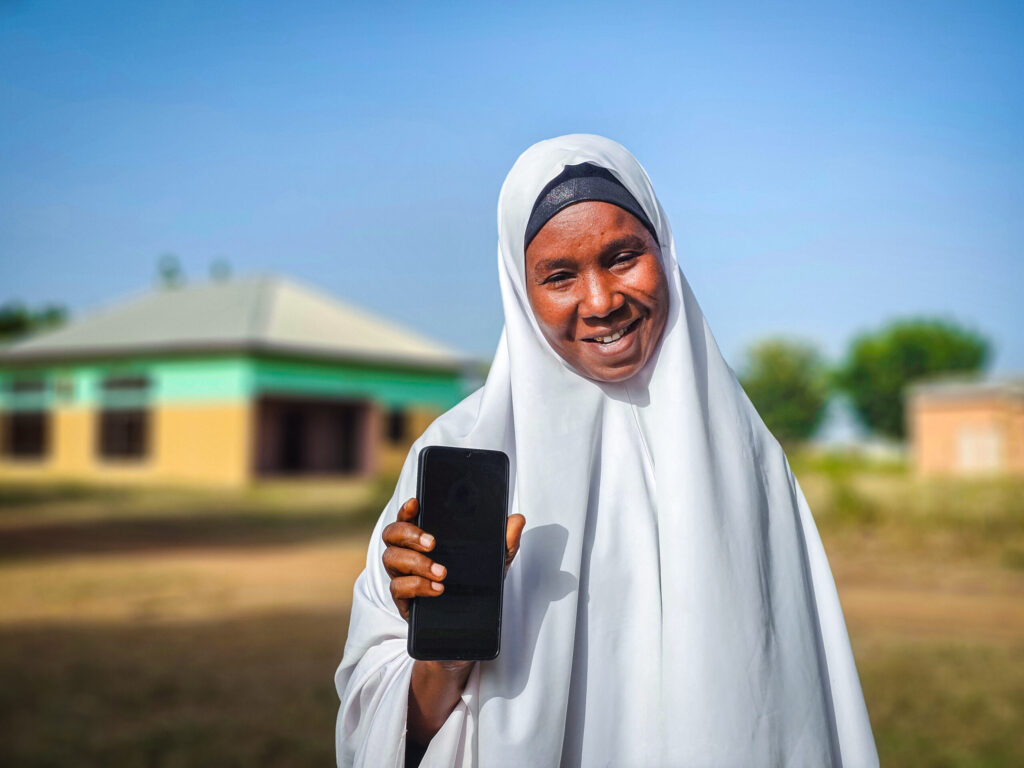
Hafsat’s story is a powerful reminder that when frontline health workers are equipped with the right skills, resources, and support, they can transform healthcare delivery in underserved communities.
Sustained investment in the training, empowerment, and well-being of frontline health workers is essential to closing the healthcare gap in rural Nigeria. By supporting initiatives like the EnRiCH Project, partners and stakeholders can help ensure that dedicated health workers like Hafsat continue to reach the women and families who need care the most—bringing lifesaving services closer to every community.