
Publications
Browse our resource library to find our latest reports and publications.
Cholera Crisis Alert: Urgent Action Needed in Borno State, Northeast Nigeria
Published: 13 June 2026
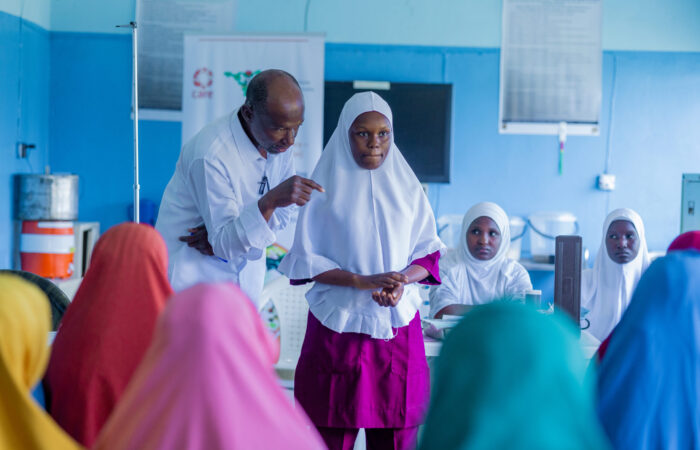
CARE Nigeria is responding to the ongoing cholera outbreak in Borno State, Northeast Nigeria. In close collaboration with the Borno State Ministry of Health, the World Health Organization (WHO), UNICEF, and other humanitarian partners, CARE is supporting an integrated cholera response through critical health, WASH (Water, Sanitation, and Hygiene), and risk communication interventions.
Borno State is currently facing a rapidly escalating cholera outbreak driven by multiple compounding factors, including population displacement, inadequate access to safe water and sanitation, climate-related shocks, overcrowded living conditions, and limited access to timely healthcare. Ongoing conflict and insecurity continue to deepen vulnerabilities, placing thousands of already at-risk people in greater danger.
Current Situation
Cholera cases have been identified across several Local Government Areas (LGAs), including Jere, Konduga, Mafa, and Maiduguri Metropolitan Council (MMC), with growing risk of further transmission to surrounding communities due to increased population movement. Current reports indicate:
- More than 8,000 people are affected
- Over 120 new suspected cases reported daily
- More than 40 deaths recorded
- Multiple transmission hotspots identified across Gamboru, Gomari/Bulabulin, Limanti, Mashamari, and Shehuri wards
CARE’s Response
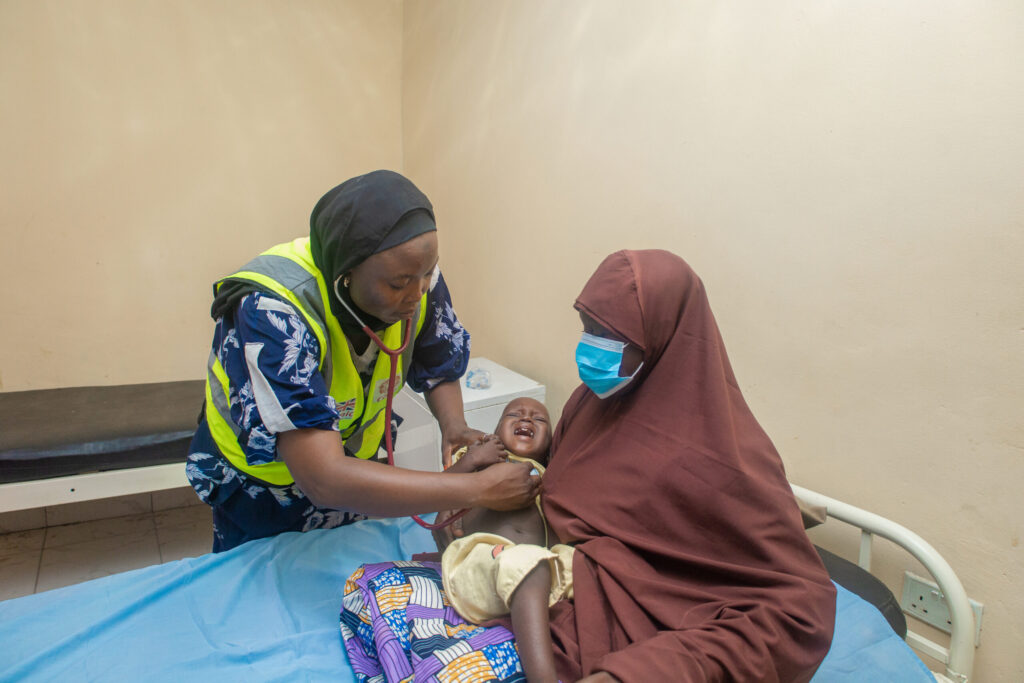
CARE’s response focuses on community engagement, early detection, infection prevention and control, and strengthening local systems to reduce transmission and protect vulnerable populations.
Initial interventions include:
- Procurement and distribution of cholera treatment kits
- Supply of IV fluids (Ringer’s Lactate)
- Distribution of Oral Rehydration Salts (ORS) and zinc supplements
- Distribution of menstrual hygiene kits to support the dignity and health needs of women and girls
- Procurement of chlorine supplies for water treatment and disinfection
- Development and dissemination of Information, Education, and Communication (IEC) materials
- Community awareness campaigns through radio jingles and risk communication activities to promote early care-seeking and preventive behaviors
CARE calls on government authorities, national and international donors, humanitarian partners, and the wider community to act swiftly and collectively to contain this outbreak and save lives.
Project Reports and Publication

Food Security & Livelihoods in Nigeria
Despite its vast agricultural potential and diverse value chains, Nigeria ranks 103rd out of 121 countries on the Global Hunger Index. Nearly 25 million people—about 13 per cent of the overall Nigerian population—were expected to experience food insecurity in 2023.
Published: July 2024
Gender Justice in Nigeria
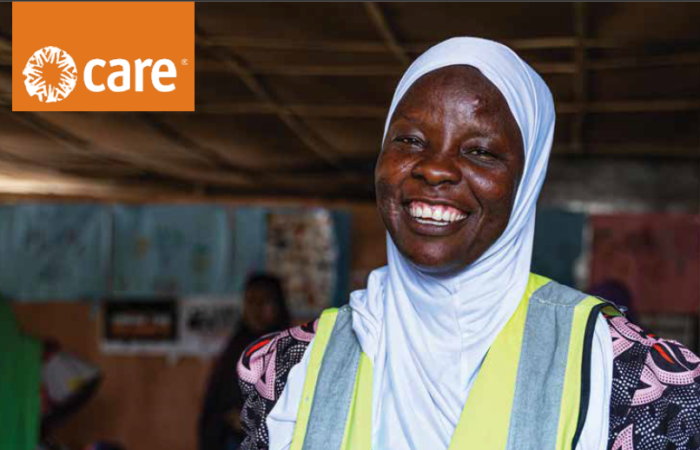
In line with CARE’s dual mandate, CARE Nigeria employs a combination of proven and innovative approaches to address genderbased violence (GBV) in both humanitarian and development settings.
Published: July 2024
Right to Health and Nutrition in Nigeria
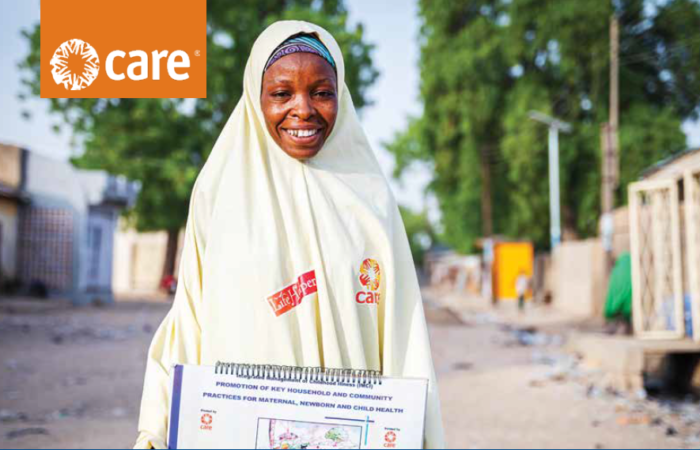
CARE’s Right to Health and Nutrition strategy focuses on Improving health and nutrition outcomes, particularly for women and girls, by strengthening primary health care and nutrition systems.
Published: July 2024

Women’s Economic Justice Village Savings and Loans Associations in Nigeria
CARE defines Women’s Economic Justice as the fulfilment of women’s fundamental human right to economic resources and the power to make decisions that affect their lives.
Published: July 2024
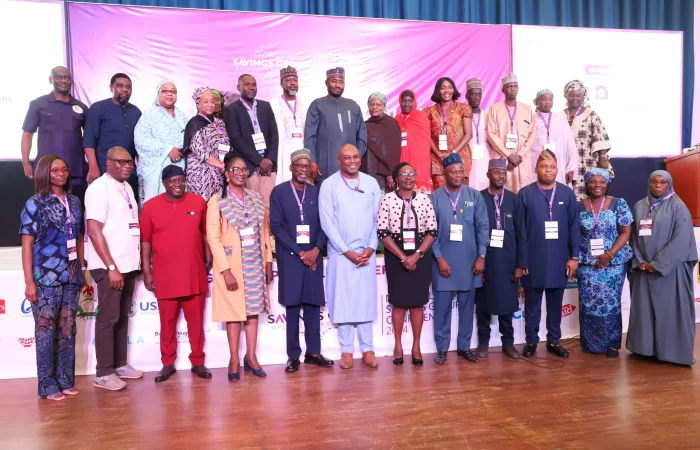
Accelerating Financial and Economic Inclusion: The Pivotal Role of Savings Groups in Nigeria (2024 National Savings Group Conference Report)
Earlier this year, we concluded the 2024 National Savings Group Conference in Nigeria, where we explored the pivotal role of VSLAs in driving financial inclusion. Over 500 participants from diverse sectors collaborated to share insights and discuss the future of savings groups in Nigeria.
Key takeaways included the need for a stronger regulation framework, the establishment of an apex organization, the focus on coordination with government bodies to support growth, and the increasing role of digital technology in enhancing inclusion.
Published: September 2024

Gender Norms Learning Agenda Research Report
With funding from the Gates Foundation’s Gender Norms Learning Agenda (GNLA), CARE, in partnership with the Center on Gender Equity and Health at the University of California San Diego, carried out research in three states (Enugu, Kano, and Lagos) in Nigeria, to identify social norms that influence the following specific adolescent girls’ behaviors; • Key gender-based violence • Sexual and reproductive health • Economic empowerment • Child early and forced marriages among adolescent girls and young women. The study also sought to determine how these norms influence behaviors and gatekeepers who enforce/ uphold these norms. Between March and June 2024, qualitative data were collected from married and unmarried girls, married and unmarried boys, as well as key influencers of social norms in the communities.
Published: January 2025
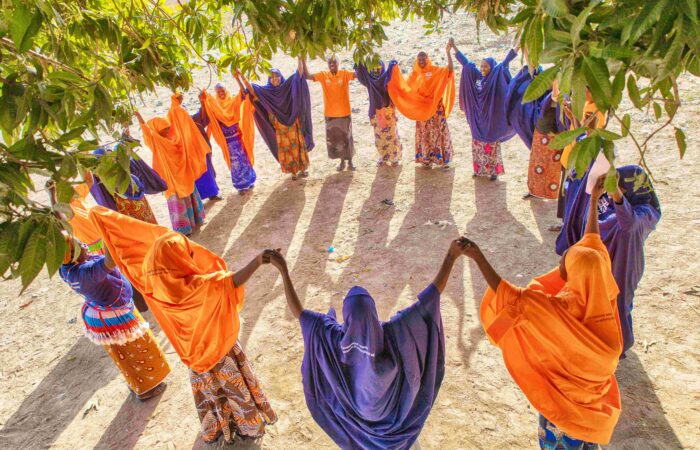
Women Lead in Emergency (WLiE) Approach Impact Brief
In Northeast Nigeria, conflict and displacement have worsened violence against women and girls, leaving them more vulnerable. Through the Women Lead in Emergencies (WLiE) approach, CARE and its partners with funding from the UK Foreign, Commonwealth & Development Office (FCDO) have empowered women to lead change in their communities, strengthening advocacy, accountability, and access to essential services. Key Wins from WLiE: • Women are influencing community decision-making. • Increased access to protection services and justice. • Strengthened solidarity and confidence among women. • Reduction in early/forced marriages and street hawking. WLiE a movement toward women-led solutions in crisis settings. When women lead, communities thrive!
Published: March 2025
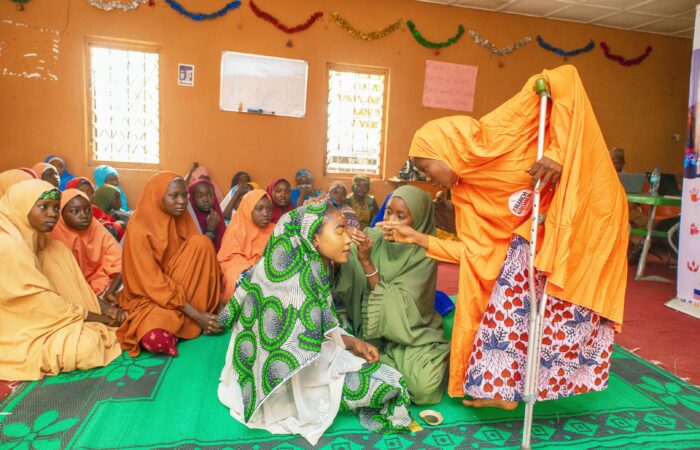
Martawa Zuromaye (Dignity and Security) Project Impact Brief
Protracted armed conflict in Northeast Nigeria has deepened the vulnerability of women and girls to violence, particularly Early and Forced Marriage (EFM) and Female Genital Mutilation/Cutting (FGM/C). Limited access to support services has worsened survivors’ experiences.
With funding from the US Department of State’s Secretary’s Office of Global Women’s Issues (S/GWI), CARE Nigeria in September 2020 launched the Martawa Zuromaye project, meaning "Dignity and Security" in Kanuri. The project works with two partners: Trauma Healing Support Initiative (THSI) and African Youth for Peace Development and Empowerment Foundation (AFRYDEV) to enhance survivor-centered efforts to prevent, mitigate, and respond to all forms of Violence Against Women and Girls (VAWG) in conflict-affected communities in Yobe State.
Published: May 2025

Strengthening Protection Services and Resilience in Northeast Nigeria (STEPSERN) Project Impact Brief
From September 1, 2023, to March 31, 2025. CARE Nigeria, in partnership with Ekklesiyar Yan’Uwa a Nigeria (EYN) and NEEM Foundation, implemented the STEPSERN project across Borno (Jere and Bama), Adamawa (Yola North), and Yobe (Potiskum and Gujba). The 2-year initiative worked with government agencies, communities, local partners, and stakeholders to strengthen the delivery of protection and resilience services to survivors, provide sexual reproductive health and rights services, and increase women’s voice and participation within the humanitarian response cycle through a coordinated, integrated, and locally-led approach.
Published: June 2025

Police Gender Reporting Desks (PGRDs) - Strengthening Justice for VAWG survivors
CARE, with support from the UK Foreign, Commonwealth & Development Office (FCDO) and the Ministry of Foreign Affairs (MOFA), has established Police Gender Reporting Desks (PGRDs) in Borno, Adamawa, and Yobe states to enhance access to justice for gender-based violence (GBV) survivors. These specialized units within police stations provide a safe, survivor-centered environment for reporting GBV cases, ensuring confidentiality, professional case handling, and access to critical support services such as legal aid, psychosocial support, and referrals to safe spaces. Read the full Learning Brief to learn more about this initiative and the impacts achieved so far.
Published: June 2025
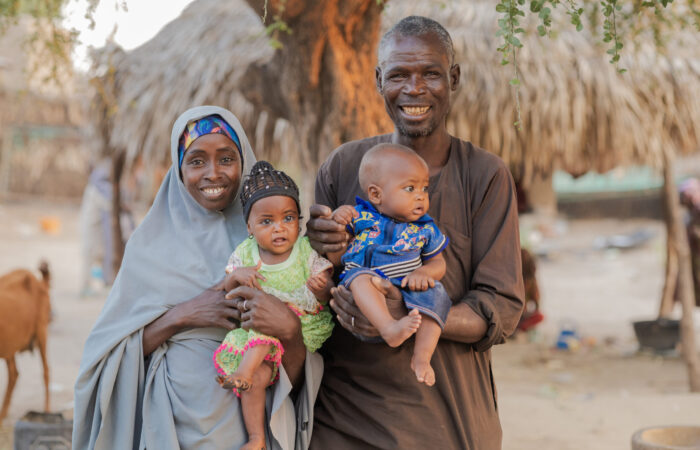
REstoring Dietary – divErsity, rEducing Malnutrition (REDEEM) Project Impact Brief
The humanitarian crisis continues to strain limited resources, weaken essential social systems, and deepen food and nutrition insecurity—especially for children under five and Pregnant and Lactating Women (PLW). Yobe and Jigawa remain among Nigeria’s most affected states. In Jigawa, 64% of children are stunted, 9.6% are wasted, and 81.9% are anemic. In Yobe, children aged 6–23 months face a Global Acute Malnutrition (GAM) rate of 56.2% and a Severe Acute Malnutrition (SAM) rate of 27.3%. To address this, CARE Nigeria, with support from Latter-Day Saints Charities (LDS), is implementing the REstoring Dietary divErsity, rEducing Malnutrition (REDEEM) project to improve maternal and child nutrition in high-burden areas of Northern Nigeria. The project aims to increase access to nutrient-dense foods and strengthen nutrition knowledge and practices among households with pregnant and lactating women and children under two across four targeted LGAs in Jigawa and Yobe States.
Published: January 2026
Regreening Africa Phase II Project Brief
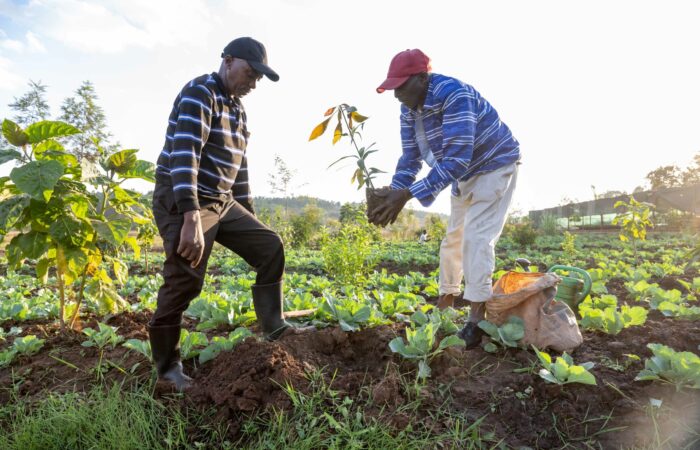
Regreening Africa Phase I (2017–2023) demonstrated that large-scale landscape restoration, when community-driven and context-sensitive, can offer a powerful solution. Reaching over 500,000 households across eight countries, the programme integrated scientifically grounded land restoration practices like Farmer-Managed Natural Regeneration (FMNR), agroforestry, and soil and water conservation with robust citizen engagement and cutting-edge tools such as the Regreening Africa App. These approaches not only improved land productivity and biodiversity but also contributed to better food security, livelihoods, and climate resilience, while influencing national policy reforms, particularly in land tenure and inclusive governance. Building on this momentum, Regreening Africa Phase II aims to scale and sustain impact by fostering enabling policy environments, strengthening rural entrepreneurship, and embedding real-time monitoring systems. In Nigeria, the programme is jointly implemented by CARE and Catholic Relief Services (CRS) in Sokoto State’s Wurno, Wamako, Shagari, and Kware LGAs. This phase emphasizes inclusive, evidence-driven solutions that empower communities, especially women and youth, through access to resources, training, and market opportunities. It also aligns with continental frameworks like the Great Green Wall, contributing to climate change mitigation and adaptation, rural development, and conflict prevention.
Published: January 2026
Enhencing Resilience in Frontline Community Healthcare (EnRiCH) Project Brief
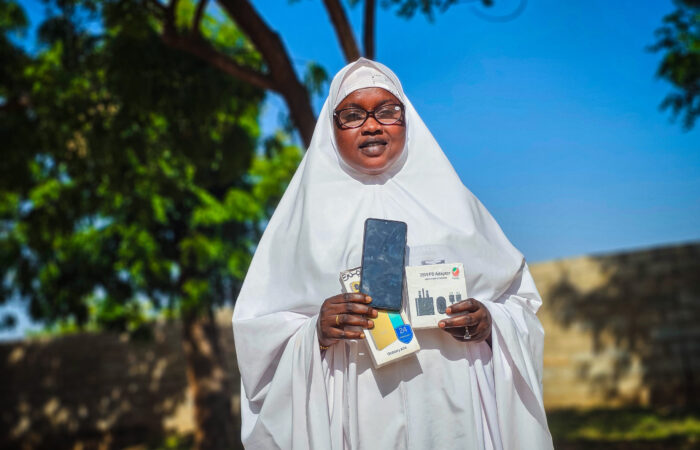
Nigeria's frontline health workers play a vital role in delivering essential primary healthcare services, particularly in underserved and hard-to-reach communities. However, many face challenges including limited access to continuous professional development, inadequate support systems, and economic constraints that affect their ability to provide quality care. The Enhancing Resilience in Frontline Community Healthcare (EnRiCH) Project is CARE Nigeria's flagship initiative under its She Heals the World (SHTW) programme, designed to strengthen the capacity, resilience, and motivation of frontline community health workers. Implemented in partnership with the Katsina State Ministry of Health and the Katsina State Primary Health Care Agency, the project leverages digital learning, economic empowerment through Village Savings and Loan Associations (VSLAs), violence prevention and referral systems, and policy advocacy to improve the delivery of essential reproductive, maternal, newborn, child, adolescent health and nutrition (RMNCAH+N) services. By investing in frontline health workers, the project contributes to stronger primary healthcare systems, improved community health outcomes, and progress towards Universal Health Coverage in Nigeria.
Published: July 2026